• 💪 Hello, please SIGN-UP FOR A FREE account and become a member of our community!
    You will then be able to start threads, post comments and send messages to other members. Thanks!
  • 🔥 Kits4Less.com #1 MOST LAB-TESTED SOURCE — 25% OFF YOUR FIRST ORDER! 🔥

Sublingual vs. Oral and Injectable 17α-Alkylated Steroids: The Truth About Liver Toxicity

eazy_

elite
Registered
Joined
Apr 9, 2024
Messages
2,028
Reaction score
8,191
SB Labs
Why Route of Administration Doesn’t Reduce Hepatotoxic Risk in 17α-Alkylated Anabolic Steroids

By Type-IIx


1.jpg


Key Takeaways


17α-alkylated steroids are hepatotoxic due to their molecular structure, not administration route.

Sublingual and buccal routes do not meaningfully reduce liver toxicity despite bypassing first-pass metabolism.

Injectable 17α-alkylated steroids still expose the liver repeatedly via systemic circulation.

Liver damage arises from androgen receptor activation causing mitochondrial ROS, not just liver metabolism.

Early symptoms of liver toxicity include fatigue, nausea, and elevated liver enzymes; advanced cases show jaundice and tumors.

Monitoring liver enzymes (ALT, AST, GGT) and clinical signs is essential for all users of 17α-alkylated steroids.

Risk mitigation includes limiting cycle duration, avoiding alcohol, and considering hepatoprotective strategies.

The misconception that injectable 17α-alkylated steroids are “liver-safe” can lead to dangerous dosing practices.

Informed decision-making and education are critical to prevent serious liver complications.


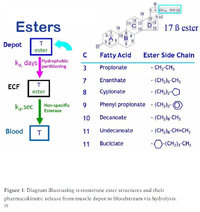
The common wisdom, which is 100% correct and true, is that anabolic-androgenic steroids designed to be taken by intramuscular injection with C-17 esterification – like testosterone (e.g., enanthate), nandrolone (Deca durabolin®, NPP), drostanolone (Masteron), and even trenbolone – are significantly less toxic to the liver (hepatotoxic) than their 17α-alkylated counterparts (17AAs) that are designed to be taken by mouth, like methyltestosterone (METHITEST™, norethandrolone (Nilevar®), methasterone (Superdrol), and mibolerone (R1881; methyltrienolone). [1] C-17 esterification is a chemical modification where an ester like enanthate or decanoate is attached to the steroid to increase its half-life by attaching a carbon chain in the 17-β orientation. [1-1] This modification effectively increases the steroid’s half-life by increasing the residence time inside the depot that is formed in the muscle tissue, from where it slowly dissipates into the blood circulation, where esterases actively hydrolyse the molecule, breaking down those fatty acid bonds of the carbon chain, activating the parent hormone, whose biological half-life is much shorter than the prohormone’s. [1-2] [2]

Esters: Fatty acid bonds of different aliphatic or other carbon chain lengths attached to the steroid’s 17β-hydroxyl group to produce a prodrug for oil vehicle that when injected deep into the belly of muscle is released from depot at a rate determined by its partitioning coefficient according to the ester’s hydrophobicity or water-solubility before entering the extracellular fluid of whole blood where it is rapidly hydrolyzed by esterase…


2.jpg


The myth that many bodybuilders mistakenly embrace, though, is a belief that that this hepatotoxicity is dictated by how they’re taken. By corollary, these same bodybuilders might mistakenly believe that sublingual (or buccal) ingestion of 17AA meaningfully improves their otherwise toxic effects because it bypasses first pass metabolism by the liver.

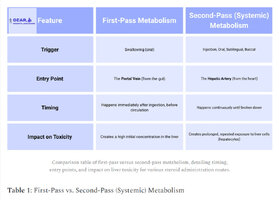
First Pass vs. Second Pass Metabolism
First pass metabolism refers to the process by which a drug is metabolized by the liver before it enters systemic circulation. This can result in a decreased concentration of the drug reaching the bloodstream, as some of it is metabolized and excreted before reaching the intended target site. [4]

Second pass metabolism, on the other hand, refers to the metabolism of a drug that has already entered systemic circulation and is circulating throughout the body. This can occur in various tissues and organs in addition to the liver. [4-1]
3.jpg


Why Are 17AAs So Hard on the Liver?
So what distinguishes oral 17AAs from the esterified steroids? Oral bioavailability, of course. Why are they bioavailable but non-17AAs are not? Oral delivery of testosterone, for example – just swallowing, say, testosterone enanthate – would be followed by rapid metabolism in the liver to such an extent that only the earliest phases of its metabolism would occur: it is deactivated and cannot survive delivery to muscle tissue. [4-2]

FAQ

People Also Ask

Q: Does injecting 17α-alkylated steroids eliminate the risk of liver damage?

A: No. Injectable 17α-alkylated steroids bypass first-pass metabolism but still expose the liver repeatedly through systemic circulation. The hepatotoxic risk remains high due to the steroid’s chemical structure and prolonged half-life.

The reason that 17AAs are so hepatotoxic is because C-17 alkylation prolongs their half-lives and increases their potency (e.g., Superdrol is methyl-Masteron), from mere seconds to hours or even days, or large parts thereof. According to The Bond and Llewellyn Hypothesis About Anabolic Androgenic Steroid-Induced Hepatotoxicity, a steroid’s hepatotoxicity is described by the Equation:


Equation 1: Hepatotoxicity is the product of half-life (t1/2) and potency to activate the androgen receptor (AR) [5]


All anabolic steroids, including testosterone, are toxic. How do we know? Because even testosterone produces endogenous metabolites (e.g., epitestosterone, androsterone, etiocholanolone) meaning that it must be metabolized or broken down in phases through firstand secondpass metabolism by the liver to more hydrophilic molecules in order for the body to excrete them. [4-3]

Anabolic steroids increase reactive oxygen species (ROS) in tissues that include liver and cells that include the basic unit of the liver, hepatocytes. [5-1] This is really where it all goes down, and the aminotransferases like ALT and AST start to take a hit and ratchet up accordingly.

This guide will examine the scientific evidence behind steroid-induced liver damage, exploring why the route of administration doesn’t meaningfully alter the hepatotoxic risk profile of 17α-alkylated steroids.

The Science Behind the Myth
Take the example of injectable Superdrol (methasterone; 17α- methyldrostanolone), a popular black market methasterone formulation in oil vehicle. This preparation is in demand because of this myth that’s promulgated by marketing to this very misconception: that injecting Superdrol is non-liver toxic.

Unfortunately, while it is true that injectable administration bypasses first-pass metabolism, this has scant practical significance since the damage that’s done by methasterone arises from its half-life (t1/2 ) and potency to activate the AR, which is on the one hand protracted by 17α-alkylation (17-CH3-) and on the other hand potentiated by the same. Masteron is fairly weak and it’d be broken down very quickly if just taken by mouth, like testosterone. Not so with Superdrol… quite the contrary, in fact.

The Bond and Llewellyn Hypothesis About Anabolic Androgenic Steroid-Induced Hepatotoxicity suggests that hepatotoxicity results from androgen receptor activation and subsequent mitochondrial dysfunction, not from the liver’s attempt to metabolize these compounds. This mechanistic understanding explains why bypassing first-pass metabolism doesn’t provide meaningful protection.

FAQ

People Also Ask

Q: What are early signs of steroid-induced liver toxicity?

A: Early symptoms include fatigue, nausea, loss of appetite, and abdominal discomfort. Elevated liver enzymes (ALT, AST) are common biochemical markers. More severe signs include jaundice, dark urine, and light-colored stools.

The Bond and Llewellyn Hypothesis About Anabolic-Androgenic Steroid Hepatotoxicity
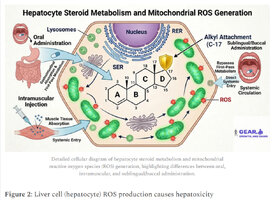
The 2016 Medical Hypothesis proposed by Bond and Llewellyn offers a nuanced explanation of how 17α-alkylated steroids induce hepatotoxicity. Their hypothesis centers on the increase of ROS, these reactive oxygen species, through carnitine palmitoyltransferase 1 (CPT1) activity and mitochondrial fatty acid β-oxidation. [5-2]

4.jpg
 
According to this hypothesis, the 17α-alkylated steroids influence mitochondrial function in hepatocytes, specifically affecting how fatty acids are oxidized for energy production. [5-3] The increased CPT1 activity leads to enhanced fatty acid β-oxidation, which in turn generates elevated levels of ROS as metabolic byproducts. [5-4] This pathway provides a biochemical explanation for why the hepatotoxic potential is inherent to the molecular structure itself, independent of how the steroid enters the systemic circulation. [5-5]

This mechanism suggests that the hepatotoxic effects are intrinsically linked to the steroid’s interaction with cellular energy metabolism. The practical implication is profound: if the liver damage results from mitochondrial dysfunction and ROS generation triggered by androgen receptor activation, then the route of administration is practically irrelevant to hepatotoxicity.

Cumulative Exposure Considerations
The total hepatic exposure to a 17α-alkylated steroid depends on multiple factors including dose, duration (cycle length), frequency (how often), half-life and potency (which 17AA). While oral administration may create higher initial liver concentrations, this pass is just a “blip,” an inconsequential surge of drug exposure, since it is the long half-lives (many hours vs. few seconds) that really characterize the 17AAs.

FAQ

People Also Ask

Q: Can sublingual or buccal administration reduce liver toxicity?

A: No. While these routes bypass first-pass metabolism, they do not prevent systemic circulation of the steroid, which continues to expose the liver to toxic effects via androgen receptor activation and mitochondrial ROS generation.

The C-17 Alkylation: A Double-Edged Modification
The 17α-alkylation of anabolic steroids enhances their oral bioavailability by protecting the steroid molecule from rapid hepatic metabolism.

But this same modification which makes oral administration viable also increases hepatotoxicity. The 17α-alkylated variants of anabolic steroids are specifically associated with significant liver toxicity, including serious conditions such as cholestatic icterus and the potential development of liver tumors:

Hepatotoxicity: 17AAs can cause liver damage, primarily thought to result from androgen receptor activation leading to the production of ROS. [6]

Elevated Liver Enzymes: Use often leads to elevations in serum markers including aspartate aminotransferase (AST), alanine aminotransferase (ALT), lactate dehydrogenase (LDH), and gamma-glutamyl transpeptidase (GGT). [6-1]

Cholestatic Symptoms: In rare cases, toxicity can manifest as jaundice (yellowing of the skin) and pruritus (itching). [6-2]

Peliosis Hepatis: A condition characterized by blood-filled cysts in the liver. [6-3]

Hepatic Tumors: Literature has documented associations with hepatocellular carcinoma and adenoma. [6-4]

Hemorrhage: There are reports of spontaneous haemorrhage of hepatic adenomas in AAS users. [6-5]

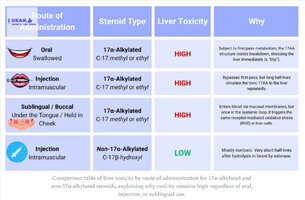
This C-17 alkylation, this structural change, is what fundamentally drives hepatotoxicity. The critical point is that this structural modification persists regardless of whether the steroid is taken orally, injected intramuscularly, or administered sublingually.

FAQ

People Also Ask

Q: How can users minimize liver damage risk when using 17α-alkylated steroids?
A: Limit cycle duration, avoid alcohol, maintain hydration, monitor liver enzymes regularly, and consider hepatoprotective strategies. Education and awareness about inherent hepatotoxicity are crucial.

Why Do 17AAs Still Cause Liver Damage Even if Not Swallowed?
The question of why 17AAs cause liver damage no matter the route persists. Let’s break it down.

Liver Blood Flow and Systemic Circulation
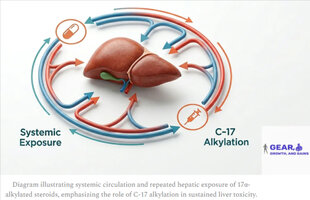
The liver receives approximately 25% of cardiac output, with a blood flow rate of roughly 1 liter per minute. [1-3] This massive blood flow ensures that any systemically circulating compound will have substantial and repeated hepatic exposure. When you inject a 17α-alkylated steroid intramuscularly, it enters the bloodstream and must pass through the liver multiple times as blood circulates throughout the body. [4-4]

The pharmacokinetic properties of 17α-alkylated steroids further illuminate why route of administration may not significantly affect hepatotoxic potency. These compounds typically have half-lives in the order of hours with a relatively low volume of distribution (V d). Coupled with a high half-life means that liver cells experience prolonged exposure to these drugs regardless of administration route.


5.jpg


The Recirculation Reality
Once a 17α-alkylated steroid enters systemic circulation – whether through injection, oral absorption, or sublingual uptake – it will repeatedly pass through the liver with each circulation cycle. This recirculation ensures ongoing hepatic exposure that is independent of the initial administration route.

The cumulative hepatic exposure over time may be more relevant than the initial concentration spike from first-pass metabolism. A steroid with a 6-hour half-life will continue circulating and exposing liver cells to its hepatotoxic effects for multiple circulation cycles, regardless of whether it initially bypassed first-pass metabolism through injection.

Volume of Distribution Considerations
Steroids with larger volumes of distribution will circulate throughout the body and repeatedly pass through the liver with each circulation cycle. However, many 17α-alkylated steroids have relatively low volumes of distribution, meaning they remain concentrated in the bloodstream where they have frequent opportunities to interact with hepatocytes.

This pharmacokinetic characteristic actually works against the theory that injectable administration provides meaningful liver protection. The low volume of distribution ensures that injected steroids maintain high blood concentrations that repeatedly expose the liver to significant drug levels.

Alternative Routes: Sublingual and Buccal Administration
Even sublingual or buccal administration doesn’t meaningfully reduce the hepatotoxic potency of 17α-alkylated steroids. [7] These alternative routes of administration have gained popularity among users seeking to avoid both injection and oral ingestion, but they don’t address the fundamental mechanisms underlying steroid hepatotoxicity.


6.jpg
 
Absorption Pathways
Sublingual administration allows for some absorption directly into systemic circulation through the rich vascular supply under the tongue, theoretically bypassing first-pass metabolism. [7-1] However, any portion that is swallowed will still undergo hepatic processing, and more importantly, the systemically absorbed portion will still reach the liver through normal circulation. [7-2]

Buccal administration through the cheek mucosa operates on similar principles, with direct absorption into systemic circulation. [7-3] While these routes may reduce the initial hepatic concentration compared to oral ingestion, they don’t eliminate the ongoing exposure that occurs through systemic circulation.

The key insight is that sublingual and buccal routes don’t change the fundamental pharmacological properties of 17α-alkylated steroids. The molecular structure remains unchanged, the androgen receptor binding affinity is identical, and the capacity to trigger hepatotoxic mechanisms is preserved.

Once these steroids enter systemic circulation through sublingual or buccal absorption, they face the same pharmacokinetic realities as injected compounds: repeated hepatic exposure through circulation, prolonged half-lives ensuring sustained liver contact, and identical receptor-mediated toxicity mechanisms.

Recognizing Steroid Liver Damage Symptoms
Recognizing steroid liver damage symptoms is crucial for anyone using 17α-alkylated compounds, whether oral or injectable. The clinical manifestations of steroid-induced hepatotoxicity can range from subtle biochemical changes to life-threatening liver failure, and these symptoms develop regardless of administration route. [6-6]

Early Warning Signs
The hepatotoxic effects of 17α-alkylated steroids occur along a continuum of ranging severity. Clinical presentations range from asymptomatic elevations in liver enzymes to severe conditions like fulminant hepatic failure. [8] Early recognition of these symptoms can prevent progression to more serious complications.

Common early manifestations include fatigue, nausea, loss of appetite, and abdominal discomfort. [8-1] These symptoms are often dismissed as minor side effects, but they can indicate the beginning of hepatocellular injury. More concerning signs include jaundice (yellowing of the skin and eyes), dark urine, and light-colored stools, which suggest cholestatic liver injury. [8-2]

FAQ

People Also Ask

Q: Why is C-17 alkylation important in steroid hepatotoxicity?
A: C-17 alkylation enhances oral bioavailability but also prolongs half-life and increases potency, which leads to sustained liver exposure and mitochondrial dysfunction, driving hepatotoxicity regardless of administration route.

Advanced Complications
Severe manifestations of steroid hepatotoxicity include cholestatic jaundice, where bile flow is impaired, leading to jaundice and potential liver damage. [6-7] [8-3] Long-term use has been associated with the development of hepatic adenomas and, in rare cases, hepatocellular carcinoma. [6-8] [8-4] Peliosis hepatis, characterized by blood-filled cysts within the liver tissue, represents another serious complication. [8-5]

The development of these complications appears to be related to cumulative exposure and individual susceptibility rather than administration route. Users of injectable 17α-alkylated steroids have developed the same spectrum of liver complications as those using oral formulations, reinforcing the concept that the hepatotoxic mechanism is independent of how the drug enters the body.

Laboratory Abnormalities
Elevated liver enzymes represent the most common laboratory finding in steroid-induced hepatotoxicity. [6-9] [8-6] Increases in ALT, AST, and other markers of hepatocellular injury can occur with any route of administration. Bilirubin elevations may indicate cholestatic changes, while prolonged prothrombin time can suggest impaired synthetic liver function.

Several factors influence an individual’s susceptibility to steroid-induced hepatotoxicity, including age, sex, race, and pre-existing liver conditions. [8-7] These risk factors operate independently of administration route, further supporting the notion that intrinsic hepatotoxic potential is more important than pharmacokinetic considerations.

Oral Superdrol Vs Injectable: Same Practical Liver Risk
Comparing oral Superdrol vs injectable forms reveals that both carry significant hepatotoxic potential due to their C-17 alkylation. Superdrol (methyl-Masteron) serves as an excellent case study because it’s available in both oral and injectable formulations, yet both versions retain the 17α-alkylated structure that drives hepatotoxicity.

Structural Identity, Identical Risk
The injectable form of Superdrol is chemically identical to the oral version – both contain the same 17α-alkylated methasterone molecule. The only difference lies in the delivery vehicle and route of administration. The hepatotoxic potential remains unchanged because the molecular structure responsible for liver damage is identical in both formulations.

Users often assume that injectable Superdrol bypasses the liver entirely, but this represents a fundamental misunderstanding of pharmacokinetics. While the injectable form does avoid first-pass metabolism, it still reaches the liver through systemic circulation and exerts the same androgen receptor-mediated hepatotoxic effects.

The belief that injectable Superdrol is “liver-safe” has led some users to employ higher doses or longer cycles, potentially increasing their overall hepatotoxic exposure. This dangerous misconception highlights the importance of understanding that 17α-alkylation, not administration route, determines hepatotoxic potential.

Clinical Monitoring and Risk Management
Given the hepatotoxic risks associated with 17α-alkylated steroids, monitoring of liver function is essential for individuals using these substances regardless of administration route. The need for vigilant monitoring applies whether the steroid is administered orally, by injection, or through sublingual routes.

Essential Monitoring Parameters
Regular assessment of liver enzymes (ALT, AST, GGT, alkaline phosphatase) provides the foundation for detecting early hepatotoxic changes. Evaluation of bilirubin levels helps detect cholestatic changes, while assessment of synthetic function through albumin and prothrombin time can identify more advanced liver dysfunction.

Clinical assessment for signs of liver dysfunction should accompany laboratory monitoring. This includes evaluation for jaundice, abdominal pain, changes in appetite, and other symptoms that might indicate developing hepatotoxicity. Consideration of imaging studies may be warranted in cases of prolonged use or persistently elevated enzymes.

Risk Mitigation Strategies
While no strategy can completely eliminate the hepatotoxic risk of 17α-alkylated steroids, certain approaches may help minimize damage. These include limiting cycle duration, avoiding alcohol consumption, maintaining adequate hydration, and considering hepatoprotective supplements, though evidence for the latter remains limited.

The most important risk mitigation strategy is education and awareness. Users must understand that injectable forms of 17α-alkylated steroids carry the same fundamental hepatotoxic risks as oral formulations. This knowledge can prevent the dangerous practice of using higher doses or longer cycles based on the false belief that injection provides liver protection.


Practical Implications for Users
Those who do not study these compounds are doomed to deal with health consequences later. The practical implications of understanding steroid hepatotoxicity extend beyond academic interest to real-world health and safety considerations for anyone using or considering these substances.
 
Informed Decision Making
Understanding that injectable 17α-alkylated steroids carry the same fundamental hepatotoxic risks as oral forms should influence decision-making about steroid use. Users cannot rely on injection as a strategy to avoid liver damage, and must instead focus on other risk mitigation approaches.

This knowledge should also influence cycle planning, with users recognizing that the same precautions, monitoring protocols, and cycle limitations that apply to oral steroids should be employed with injectable forms. The route of administration doesn’t justify longer cycles or higher doses.

Compound Selection – Decisions, Decisions
The hepatotoxic potential of all 17α-alkylated steroids, regardless of administration route, underscores the validity of a firm decision to Just Say No™. If you decide that carpe diem, then choose wisely – perhaps you don’t need Superdrol; perhaps it’s almost never worthwhile. Liver function monitoring, clinical assessment, and professional expertise can help detect early signs of toxicity and prevent progression to serious complications.

Conclusion: Rethinking Steroid Safety
The evidence clearly demonstrates that the traditional emphasis on route of administration as the primary determinant of hepatotoxic risk is misplaced. While first-pass metabolism does create an initial concentration gradient favoring hepatic exposure with oral administration, several factors argue against this being the dominant consideration.

The mechanistic independence described in the Bond and Llewellyn hypothesis shows that hepatotoxic mechanisms operate independently of how the steroid enters circulation. The structural primacy of C-17 alkylation represents the fundamental feature associated with hepatotoxicity, present regardless of administration route. The recirculation effects ensure repeated exposure to systemically circulating steroids, diminishing the relative importance of first-pass effects.

Clinical evidence consistently shows that injectable 17α-alkylated steroids still carry significant hepatotoxic risk, suggesting that bypassing first-pass metabolism does not eliminate the danger. This analysis indicates that while oral administration may present somewhat elevated risk due to first-pass concentration effects, the inherent hepatotoxic potency of 17α-alkylated steroids is primarily determined by their molecular structure and mechanism of action rather than their route of administration.

The takeaway is clear: users of these substances face substantial hepatotoxic risk regardless of how they choose to administer them, and the belief that injectable forms are “safe” for the liver is not well-supported by mechanistic understanding. Increased awareness and monitoring of liver function is essential for anyone using 17α-alkylated anabolic steroids, particularly those using oral formulations, but extending to all administration routes.

Key Takeaways


17α-alkylated steroids are hepatotoxic due to their molecular structure, not administration route.

Sublingual and buccal routes do not meaningfully reduce liver toxicity despite bypassing first-pass metabolism.

Injectable 17α-alkylated steroids still expose the liver repeatedly via systemic circulation.

Liver damage arises from androgen receptor activation causing mitochondrial ROS, not just liver metabolism.

Early symptoms of liver toxicity include fatigue, nausea, and elevated liver enzymes; advanced cases show jaundice and tumors.

Monitoring liver enzymes (ALT, AST, GGT) and clinical signs is essential for all users of 17α-alkylated steroids.

Risk mitigation includes limiting cycle duration, avoiding alcohol, and considering hepatoprotective strategies.

The misconception that injectable 17α-alkylated steroids are “liver-safe” can lead to dangerous dosing practices.

Informed decision-making and education are critical to prevent serious liver complications.

Summary


This article dismantles the myth that sublingual or injectable administration of 17α-alkylated anabolic steroids reduces liver toxicity compared to oral ingestion. Despite bypassing first-pass metabolism, these steroids maintain their hepatotoxic potential due to their chemical structure (C-17 alkylation), prolonged half-lives, and repeated hepatic exposure through systemic circulation. The Bond and Llewellyn hypothesis explains that mitochondrial dysfunction and reactive oxygen species (ROS) generation in hepatocytes drive liver damage, independent of administration route. Users must recognize that liver toxicity risk remains high across all routes, emphasizing the need for vigilant liver function monitoring and informed cycle planning.


References

1. Handelsman, David J. “Androgen Physiology, Pharmacology, Use and Misuse.” Endotext, edited by Kenneth R. Feingold et al., MDText.com, Inc., 2000. PubMed, http://www.ncbi.nlm.nih.gov/books/NBK279000/.↩︎↩︎↩︎↩︎

2. Kalicharan, R. W., et al. “Where Does Hydrolysis of Nandrolone Decanoate Occur in the Human Body After Release from an Oil Depot?” International Journal of Pharmaceutics, vol. 515, nos. 1 – 2, Dec. 2016, pp. 721 – 28. DOI.org (Crossref), https://doi.org/10.1016/j.ijpharm.2016.10.068.↩︎

3. Mannion (Type-IIx), Cormac. “Frontloading vs. Tapering – Pharmacokinetic Optimization for Anabolic Steroid Cycle Design.” Substack newsletter. Gear, Growth, and Gains | Enhanced Bodybuilding, 9 Jan. 2026, https://typeiix.substack.com/p/fron...optimization-anabolic-steroid-cycle-design.↩︎

4. Schänzer, W. “Metabolism of Anabolic Androgenic Steroids.” Clinical Chemistry, vol. 42, no. 7, July 1996, pp. 1001 – 20.↩︎↩︎↩︎↩︎↩︎

5. Bond, Peter, et al. “Anabolic Androgenic Steroid-Induced Hepatotoxicity.” Medical Hypotheses, vol. 93, Aug. 2016, pp. 150 – 53. DOI.org (Crossref), https://doi.org/10.1016/j.mehy.2016.06.004.↩︎↩︎↩︎↩︎↩︎↩︎

6. Bond, Peter, et al. “Anabolic-Androgenic Steroids: How Do They Work and What Are the Risks?” Frontiers in Endocrinology, vol. 13, 2022, p. 1059473. PubMed, https://doi.org/10.3389/fendo.2022.1059473.↩︎↩︎↩︎↩︎↩︎↩︎↩︎↩︎↩︎↩︎

7. Mannion (Type-IIx), Cormac. “Sublingual vs. Buccal Testosterone – Which Delivery Method Works Better?” Substack newsletter. Gear, Growth, and Gains | Enhanced Bodybuilding, 4 Jan. 2026, https://typeiix.substack.com/p/subl...rone-delivery-methods-trt-comparison.↩︎↩︎↩︎↩︎

8. Rahnema, C. D., et al. “Designer Steroids - Over-the-Counter Supplements and Their Androgenic Component: Review of an Increasing Problem.” Andrology, vol. 3, no. 2, Mar. 2015, pp. 150 – 55. PubMed, https://doi.org/10.1111/andr.307.↩︎↩︎↩︎↩︎↩︎↩︎↩︎↩︎
 
Why Route of Administration Doesn’t Reduce Hepatotoxic Risk in 17α-Alkylated Anabolic Steroids

By Type-IIx


View attachment 248737


Key Takeaways


17α-alkylated steroids are hepatotoxic due to their molecular structure, not administration route.

Sublingual and buccal routes do not meaningfully reduce liver toxicity despite bypassing first-pass metabolism.

Injectable 17α-alkylated steroids still expose the liver repeatedly via systemic circulation.

Liver damage arises from androgen receptor activation causing mitochondrial ROS, not just liver metabolism.

Early symptoms of liver toxicity include fatigue, nausea, and elevated liver enzymes; advanced cases show jaundice and tumors.

Monitoring liver enzymes (ALT, AST, GGT) and clinical signs is essential for all users of 17α-alkylated steroids.

Risk mitigation includes limiting cycle duration, avoiding alcohol, and considering hepatoprotective strategies.

The misconception that injectable 17α-alkylated steroids are “liver-safe” can lead to dangerous dosing practices.

Informed decision-making and education are critical to prevent serious liver complications.


The common wisdom, which is 100% correct and true, is that anabolic-androgenic steroids designed to be taken by intramuscular injection with C-17 esterification – like testosterone (e.g., enanthate), nandrolone (Deca durabolin®, NPP), drostanolone (Masteron), and even trenbolone – are significantly less toxic to the liver (hepatotoxic) than their 17α-alkylated counterparts (17AAs) that are designed to be taken by mouth, like methyltestosterone (METHITEST™, norethandrolone (Nilevar®), methasterone (Superdrol), and mibolerone (R1881; methyltrienolone). [1] C-17 esterification is a chemical modification where an ester like enanthate or decanoate is attached to the steroid to increase its half-life by attaching a carbon chain in the 17-β orientation. [1-1] This modification effectively increases the steroid’s half-life by increasing the residence time inside the depot that is formed in the muscle tissue, from where it slowly dissipates into the blood circulation, where esterases actively hydrolyse the molecule, breaking down those fatty acid bonds of the carbon chain, activating the parent hormone, whose biological half-life is much shorter than the prohormone’s. [1-2] [2]

Esters: Fatty acid bonds of different aliphatic or other carbon chain lengths attached to the steroid’s 17β-hydroxyl group to produce a prodrug for oil vehicle that when injected deep into the belly of muscle is released from depot at a rate determined by its partitioning coefficient according to the ester’s hydrophobicity or water-solubility before entering the extracellular fluid of whole blood where it is rapidly hydrolyzed by esterase…


View attachment 248738


The myth that many bodybuilders mistakenly embrace, though, is a belief that that this hepatotoxicity is dictated by how they’re taken. By corollary, these same bodybuilders might mistakenly believe that sublingual (or buccal) ingestion of 17AA meaningfully improves their otherwise toxic effects because it bypasses first pass metabolism by the liver.

First Pass vs. Second Pass Metabolism
First pass metabolism refers to the process by which a drug is metabolized by the liver before it enters systemic circulation. This can result in a decreased concentration of the drug reaching the bloodstream, as some of it is metabolized and excreted before reaching the intended target site. [4]

Second pass metabolism, on the other hand, refers to the metabolism of a drug that has already entered systemic circulation and is circulating throughout the body. This can occur in various tissues and organs in addition to the liver. [4-1]

View attachment 248739


Why Are 17AAs So Hard on the Liver?
So what distinguishes oral 17AAs from the esterified steroids? Oral bioavailability, of course. Why are they bioavailable but non-17AAs are not? Oral delivery of testosterone, for example – just swallowing, say, testosterone enanthate – would be followed by rapid metabolism in the liver to such an extent that only the earliest phases of its metabolism would occur: it is deactivated and cannot survive delivery to muscle tissue. [4-2]

FAQ

People Also Ask

Q: Does injecting 17α-alkylated steroids eliminate the risk of liver damage?

A: No. Injectable 17α-alkylated steroids bypass first-pass metabolism but still expose the liver repeatedly through systemic circulation. The hepatotoxic risk remains high due to the steroid’s chemical structure and prolonged half-life.

The reason that 17AAs are so hepatotoxic is because C-17 alkylation prolongs their half-lives and increases their potency (e.g., Superdrol is methyl-Masteron), from mere seconds to hours or even days, or large parts thereof. According to The Bond and Llewellyn Hypothesis About Anabolic Androgenic Steroid-Induced Hepatotoxicity, a steroid’s hepatotoxicity is described by the Equation:


Equation 1: Hepatotoxicity is the product of half-life (t1/2) and potency to activate the androgen receptor (AR) [5]


All anabolic steroids, including testosterone, are toxic. How do we know? Because even testosterone produces endogenous metabolites (e.g., epitestosterone, androsterone, etiocholanolone) meaning that it must be metabolized or broken down in phases through firstand secondpass metabolism by the liver to more hydrophilic molecules in order for the body to excrete them. [4-3]

Anabolic steroids increase reactive oxygen species (ROS) in tissues that include liver and cells that include the basic unit of the liver, hepatocytes. [5-1] This is really where it all goes down, and the aminotransferases like ALT and AST start to take a hit and ratchet up accordingly.

This guide will examine the scientific evidence behind steroid-induced liver damage, exploring why the route of administration doesn’t meaningfully alter the hepatotoxic risk profile of 17α-alkylated steroids.

The Science Behind the Myth
Take the example of injectable Superdrol (methasterone; 17α- methyldrostanolone), a popular black market methasterone formulation in oil vehicle. This preparation is in demand because of this myth that’s promulgated by marketing to this very misconception: that injecting Superdrol is non-liver toxic.

Unfortunately, while it is true that injectable administration bypasses first-pass metabolism, this has scant practical significance since the damage that’s done by methasterone arises from its half-life (t1/2 ) and potency to activate the AR, which is on the one hand protracted by 17α-alkylation (17-CH3-) and on the other hand potentiated by the same. Masteron is fairly weak and it’d be broken down very quickly if just taken by mouth, like testosterone. Not so with Superdrol… quite the contrary, in fact.

The Bond and Llewellyn Hypothesis About Anabolic Androgenic Steroid-Induced Hepatotoxicity suggests that hepatotoxicity results from androgen receptor activation and subsequent mitochondrial dysfunction, not from the liver’s attempt to metabolize these compounds. This mechanistic understanding explains why bypassing first-pass metabolism doesn’t provide meaningful protection.

FAQ

People Also Ask

Q: What are early signs of steroid-induced liver toxicity?

A: Early symptoms include fatigue, nausea, loss of appetite, and abdominal discomfort. Elevated liver enzymes (ALT, AST) are common biochemical markers. More severe signs include jaundice, dark urine, and light-colored stools.

The Bond and Llewellyn Hypothesis About Anabolic-Androgenic Steroid Hepatotoxicity
The 2016 Medical Hypothesis proposed by Bond and Llewellyn offers a nuanced explanation of how 17α-alkylated steroids induce hepatotoxicity. Their hypothesis centers on the increase of ROS, these reactive oxygen species, through carnitine palmitoyltransferase 1 (CPT1) activity and mitochondrial fatty acid β-oxidation. [5-2]
View attachment 248740
GREAT READ thank you. I hope others will take the time and gain some more knowledge.
 

Latest threads

Back
Top